The foreign-exchange market links commercial banks, firms, funds, central banks and individual traders. Trading takes place across global time zones, with liquidity shifting as major financial centres open and close.
Who participates
Commercial banks intermediate currency flows; corporates hedge cross-border receipts and payments; asset managers allocate international portfolios; speculators accept price risk; and central banks shape monetary conditions or occasionally intervene.
The major sessions
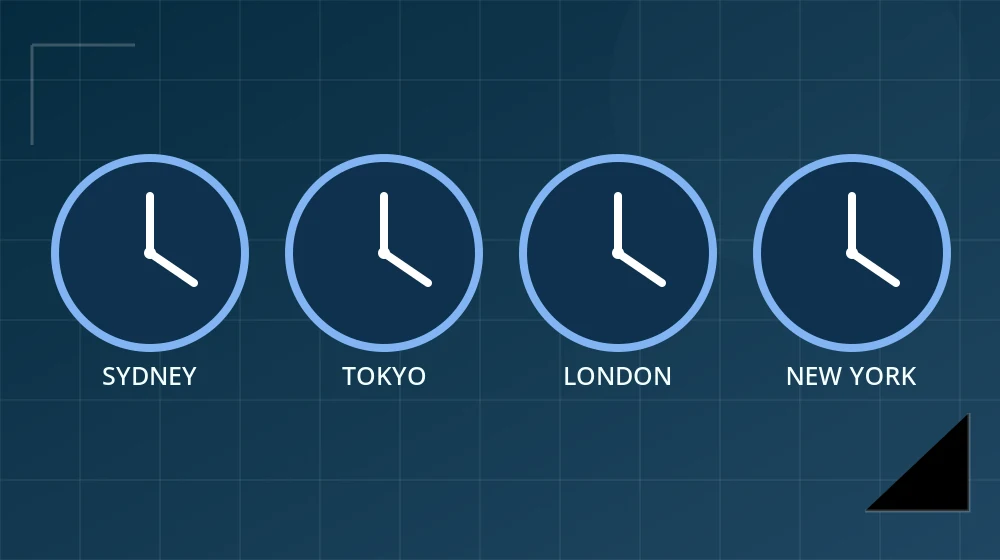
Activity is commonly described in Asia-Pacific, European and North American sessions. Sydney, Tokyo, London and New York are useful reference centres, although dealing hours vary by instrument, holiday and daylight-saving changes.
Why session overlap affects trading
When major centres trade simultaneously, liquidity and turnover can increase. Spreads may narrow in normal conditions, but scheduled data releases can also bring sharp volatility.
Timezone accuracy matters
Fixed UTC hours can become misleading when London or New York switches daylight-saving time. Consult a live market-session clock and your broker’s platform schedule before planning orders.
A sound learning exercise
Track spreads, volatility and your typical currency pair at different times. Combine this observation with position sizing rather than assuming a session guarantees profitable setups.
Market-session planning for local traders
A trader in India should not assume that a London or New York session begins at a fixed IST hour all year. Some major financial centres change clocks seasonally while India does not. Forex-market sessions also overlap differently on particular public holidays, and brokers may set daily maintenance windows. Use the platform’s current schedule and a timezone-aware calendar before entering orders around economic releases. Monitor trading costs rather than only volatility: a dramatic move with a wide spread can be less attractive than a calmer market with predictable execution. Session timing helps organise research; it is not a trading signal.
Leveraged forex and derivative products carry significant risk, including loss of capital. Information is general education, not an individual trading recommendation. Verify current facts, regulation and account terms independently.