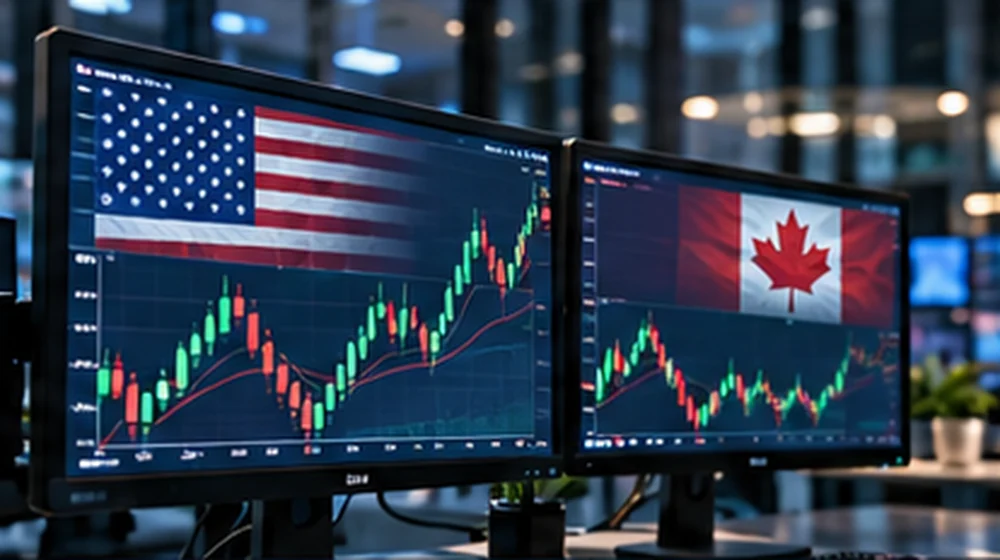
This article preserves the context of a January 2024 observation about a pause in a USD/CAD decline. It is an archived market explainer, not a live exchange-rate forecast or an instruction to trade at today’s levels.
What affects USD/CAD
The exchange rate combines expectations for US and Canadian interest rates, growth, inflation and risk appetite. Oil-market developments can also influence the Canadian dollar, though the relationship is variable rather than mechanical.
Reading a post-announcement move
A Federal Reserve decision matters through the difference between the announcement and prior expectations. Traders also examine the press conference, subsequent data and the Bank of Canada’s independent policy path.
Why a previous low is not a target
Historical swing lows can attract technical attention but provide no guarantee of support. A pause after selling can represent consolidation, a short-term reversal or simply thinner trading conditions.
Practical risk checks
Use up-to-date quotes and the current economic calendar before analysing a live trade. Define exposure, plan for volatility around releases and account for the bid-ask spread and possible gaps.
Historical status
The original reference to an August low belonged to the period discussed in the 2024 article. It should not be interpreted as a current support level.
Build a present-day USD/CAD checklist
For a current review, begin with the latest Federal Reserve and Bank of Canada decisions and the market-implied path of both policy rates. Compare recent US and Canadian inflation, labour-market and growth data, then look at commodity-price developments and overall dollar sentiment. Only after that review should technical levels be drawn from a current chart with a timestamp. Record the spread and the nearest scheduled major releases before assessing a possible position. This prevents a historical January 2024 setup from being mistakenly reused during very different economic conditions.
Leveraged forex and derivative products carry significant risk, including loss of capital. Information is general education, not an individual trading recommendation. Verify current facts, regulation and account terms independently.